
Table of Contents:
- What Is Traditional Liposuction?
- What Areas Are Commonly Treated With Liposuction?
- Who Is The Ideal Candidate For Liposuction?
- How Does Liposuction Work?
- What Type Of Liposuction Does Dr. Yates Prefer?
- What Kind Of Anesthetic Is Given For Liposuction?
- What Should I Expect After Treatment?
- Recovery After Liposuction
- How Much Does Liposuction Cost?
- What Are The Alternatives To Traditional Liposuction?
- What Is 360 Lipo?
- How Do I Know If I Need Liposuction Or A Tummy Tuck?
- Can Liposuction Correct Laser Lipo/ Smart Lipo Deformity?
- Can Liposuction Be Combined With Other Procedures?
- Can I Transfer My Unwanted Fat To My Breasts Or Buttock?
- When Can I Return To Work/Exercise?
- How Long Do I Need To Wear A Garment After Liposuction?
- Does Liposuction Treat Cellulite?
- Does The Removed Fat Simply Come Back If I Gain More Weight?
- Will I Lose Weight?
Before & After
Procedure: breast augmentation, modified mini tummy tuck and abdominal liposuction.
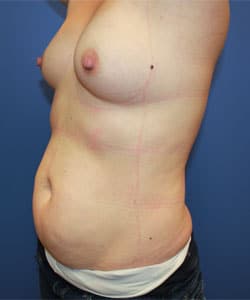
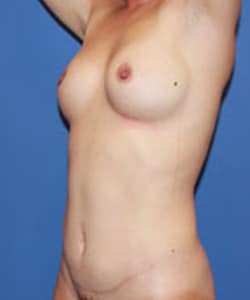
33 year old presents for mommy makeover. Before and one year after breast augmentation, abdominal liposuction and modified tummy tuck. Implants were moderate plus profile smooth round silicone 325 cc on the right and 300 cc on the left. Cup size went from a B cup to a C cup. View More.
Liposuction (Lipo), is performed to remove unwanted fat in defined areas of the body. Expertly performed lipo doesn’t’ focus exclusively on fat reduction but rather liposuction is a tool the plastic surgeon artist can use to sculpt the body. A new body shape can be achieved with liposuction. This treatment has evolved tremendously over the past thirty years and is now the most common cosmetic surgery in the U.S.
If you are interested in liposuction in Salt Lake City, Layton or surrounding areas, call or contact Dr. York Yates today to schedule a consultation.
What is Traditional Liposuction? What modifications does Dr. Yates prefer?
Tumescent Liposuction:
Traditional liposuction is the gold standard that all other forms of fat removal should be compared to. The procedure varies from surgeon to surgeon. Common to all procedures is the injection of tumescent fluid into the treatment area and suction with atraumatic cannulas. The tumescent fluid consists of a combination of lidocaine (anesthetic) and epinephrine (to limit bleeding). The incisions are less than 1/2 cm in length and placed in well-hidden locations. Liposuction results are dependent on the underlying body shape, the “kind” of fat, skin quality, and the expertise of the surgeon.
Liposculpture:
is a modification of traditional liposuction using modified cannulas close to the skin. The definition is created by the aggressive sculpting of fat to create the appearance of muscle definition. There is some skin tightening with this superficial technique but great caution must be used to prevent skin irregularities. High-definition liposuction uses VASER lipo to add finesse and power to traditional liposuction results.
SAFElipo:
SAFElipo involves specific cannula types and a lot of smoothing and blending without suction to achieve a much smoother skin effect than is typically seen with liposuction. The acronym SAFE lipo stands for (S)eparation, (A)spiration, and (F)at (E)quilibration. The fat is separated from the connective tissue with Power-Assisted Liposuction with a blending cannula techniue, removed with suction and blended after removal with PAL blending. SAFElipo is a preferred technique of Dr. Yates and can be used in combination with VASER liposuction for maximal results with minimal recovery.
VASER Lipo:
VASER lipo is a modification of traditional liposuction using VASER ultrasound energy immediately before liposuction. Using the VASER probes, which are inserted through typical liposuction incisions, the fat is loosened from its surrounding tissue and emulsified into a liquid form. This facilitates more aggressive fat removal and less tissue trauma. It can result in more aggressive (HIGH DEFINITION) results. VASER is particularly helpful in areas that have already had fat treatment from previous liposuction or CoolSculpting or in dense fibrotic tissue such as the male chest or upper back.
What areas are commonly treated with Liposuction?
Areas commonly treated with liposuction include:
- Neck (Double Chin)
- Upper Hips (Spare Tire or “Muffin-Top”)
- Inner Thighs
- Outer Thighs and “Banana Roll”
- Arms
- Abdomen
- Back “Bra Bulge”

Who is the ideal candidate for Liposuction?
The ideal candidate for is at or near his/ her ideal body weight with fat bulges in unwanted areas. It is not a treatment for obesity but can decrease fat bulges and create aesthetically pleasing contours. It is not a treatment for loose skin.

What type of Liposuction does Dr. Yates prefer?
Dr. Yates prefers VASER lipo and SAFElipo, oftentimes used in conjunction. Dr. Yates prefers the artistic control and reliability he feels with these technologies. Other technologies such as laser-assisted liposuction that result in heat injury to the cells can cause skin burns, excessive scar tissue resulting in nearly irreparable irregularities, and loss of control of the amount of fat that is injured.
How does Liposuction work?
Liposuction is a procedure where fat is literally “sucked” from the body in unwanted areas. Although there are a variety of “types” of liposuction, they all have in common infiltration and negative pressure suction. The fat is infiltrated with fluid that minimizes bleeding and pain followed by cannula aspiration of the fat with a negative suction device.
What kind of anesthetic is given for Liposuction?

Dr. Yates prefers IV sedation which can be light or deep depending on the patients’ desires. The treatment areas are infiltrated with a tumescent solution consisting of diluted numbing medication to eliminate pain and minimize bleeding. Most commonly we use TIVA anesthesia.
What should I expect after treatment?
You will recover in the recovery suite for as long as necessary (usually less than an hour). You will be given antibiotics and pain medications. Pain following liposuction is generally moderate and lasts for a few days. The liposuction incisions may continue to leak some fluid for a couple of days. Resume showering when this drainage has stopped. You will be placed in a surgical garment.
Recovery After Liposuction

How much does Liposuction cost?
The cost of liposuction varies based on treatment areas and the experience of the surgeon performing the procedure. We offer transparent pricing and the cost of liposuction in Dr. Yates’s office can be found on this website. In most plastic surgeon’s offices, you will find that the first liposuction area is full price, and additional areas are commonly discounted.
What are the alternatives to traditional Liposuction?
Liposuction technology comes down to 1) effectiveness, 2) risks, 3) recovery, and 4) cost. The ideal alternative to traditional liposuction should maximize effect and minimize risks, recovery, and costs. The RealSelf rating is a good indicator of patient satisfaction with a particular procedure. In liposuction more than almost any procedure, surgeon skill matters, and the “worth it” rating is just to be used as a guide to compare technologies. Good and bad results can be achieved with any of these.
VASER Liposuction, Ultrasound-Assisted Liposuction (UAL)
UAL such as VASER lipo uses ultrasonic energy to separate the fat cells from their connective prior to removal. The fat is emulsified allowing for more aggressive removal with less tissue trauma. Some would describe removing fat with ultrasound as similar to shaking grapes from a vine. This emulsified fat is changed to a more liquid form of fat which can be removed without as much surrounding tissue trauma. This results in more fat removal, easier recovery, and often improved skin quality. Dr. Yates has been studying liposuction energy devices for years, vetting them for safety and effectiveness, and has chosen VASER as his energy device of choice.
A laser at the tip of the cannula is used to burn the fat prior to suction. There are increased risks such as burns and contour irregularity from the burning of deep tissue. There is minor skin tightening that occurs with the laser, the studies have been underwhelming.
Very few plastic surgeons are recommending or using Smartlipo. Most physicians currently using Smartlipo are not trained or skilled in the fine points of liposuction. Liposuction can be dangerous in untrained hands. Please be very careful and choose only a board-certified plastic surgeon. Correction of laser lipo deformity is something I see commonly; difficult correction as the underlying tissue has been burned and scarred. Here is an all too common example of a patient who emailed me:
“Hi, In 2009, I went through a smart lipo procedure hoping that it would help with my extra skin issues (after pregnancy). The results are bad, my belly now looks like an orange peel full of cellulite. And of course, the loose skin is still there. I wanted to see if there was any way to fix it.”
Renuvion/ J Plasma
This is an energy-based device using Helium Plasma Technology to heat the structural framework below the skin. The claims are that this results in significant skin tightening – a claim that we are evaluating currently. This is typically used in conjunction with liposuction rather than a stand-alone procedure. This is something we may or may not offer in the near future based on our evaluations.
Nonsurgical procedure. CoolSculpting is a safe and effective non-surgical body contouring procedure. Cold pads are applied resulting in the freezing of the fat. We have chosen to offer CoolSculpting because in our opinion this is the BEST non-surgical fat reduction device currently available.
WarmSculpting with SculpSure
Nonsurgical procedure. An external laser device used to heat fat to temperatures that cause permanent fat damage. Similar to CoolSculpting in that it is noninvasive. Unlike CoolSculpting, which freezes fat, SculpSure essentially heats fat.
This is a new nonsurgical device that uses focal magnetic energy to build muscle. There are claims of permanent fat reduction as well. As of 2019, Emsculpt is available in our office. We have been thrilled with the increase in strength, tone, and muscle definition it delivers. Personally, despite the manufacturer’s claims, Dr. Yates wouldn’t consider EMsculpt a cost-effective fat burning device, most of the effect is in the muscle.
Kybella
Injections of deoxycholic acid that dissolves fat in small areas. It is FDA approved for use in the chin but is also used off-label in other areas. Our experience is that the down-time and recovery are significant. Much more significant than CoolSculpting or SculpSure.
Mesotherapy (Lipodissolve)
Injections of various substances beneath the skin with the purpose of dissolving fat. This procedure does not allow for a measurable, consistent amount of fat removal. A dead “fad”. The photo to the left below is one of many lipodissolve patients we have seen for revision (right).

Zerona
Nonsurgical procedure. External ultrasound claims to melt the fat which is absorbed. The initial excitement has lost popularity.
Vanquish
Nonsurgical procedure. Uses radiofrequency energy to heat and destroy fat cells.
Exilis
Nonsurgical procedure. Combination of radiofrequency and ultrasound energy. Claims are that It improves body contour and tightens skin.
For nonsurgical options, we prefer CoolSculpting for fat reduction. In our opinion, this is the best nonsurgical fat reducing device available and was chosen only after personal evaluation by Dr. Yates. We are always evaluating new technology as it arrives.
What is 360 Lipo or 360 VASER Lipo?
It is possible to treat more than a single liposuction area at one time. 360 lipo, as it implies, involves liposuction 360 degrees around the trunk. A very common indication for 360 lipo is in conjunction with BBL (Brazillian Butt Lift) for maximal reduction and definition of the waist. 360 VASER liposuction is an excellent procedure.
How do I know if I need Liposuction or a Tummy Tuck?
Liposuction removes fat, a tummy tuck removes loose skin, stretch marks, and fat while tightening the abdominal muscles. The ideal candidate for liposuction of the abdomen has excess fat with good skin elasticity, no stretch marks, and flat abdominal muscles. To determine how much abdominal muscle separation contributes to abdominal bulge “hold in” and let go of the abdominal muscles while standing and notice the degree of change.

Can Liposuction Correct Laser Lipo/ Smart Lipo Deformity?
There is an increasing number of patients with subsurface burns and irregularity of the skin from laser lipo techniques. This is a difficult problem to treat. VASER liposuction and SAFElipo are helpful tools to help release the subsurface burn scars.
Can Liposuction be combined with other procedures?
Liposuction is commonly combined with other procedures such as abdominoplasty (tummy tuck) and breast augmentation. The risks associated with liposuction increase when combined with more invasive procedures.
Can I transfer my unwanted fat to my breasts or buttock?
Liposuction with fat transfer has become increasingly popular in the past decade. It is a win-win procedure with the removal of unwanted fat simultaneous with augmentation of breasts or buttocks.
- Breast fat transfer – Fat is transferred from unwanted areas to the breasts for the purpose of breast augmentation. The best area for fat harvest is the most stubborn fat. The results are very soft, natural feeling, and natural-looking. This is also known as natural breast augmentation.
- Brazilian Butt Lift (BBL) – Fat is transferred from unwanted areas to the buttock for buttock reshaping and/ or enlargement
When can I return to work/exercise?
Desk work can be resumed as soon as you feel up to it, usually around 3-5 days. Vigorous exercising and running may be resumed at 4-6 weeks.
How long do I need to wear a garment after Liposuction?
Most plastic surgeons, including Dr. Yates, ask that you wear compression garments for a period of time to limit swelling in the treated area. After the procedure, a first stage compression garment will be placed. This will be worn 24/7 (except showering) for 1-3 weeks followed by a second stage garment (Spanx, Under Armour, or equivalent) for a total of 6 weeks.
Does Liposuction treat Cellulite?
Cellulite is difficult to treat with all modalities, including liposuction. Some types of cellulite can be improved with liposuction, particularly with advanced techniques.
Does the removed fat simply come back if I gain more weight?
No. Except in cases of morbid obesity, our adult bodies have a fixed number of adipocytes (fat cells). As we gain weight those cells expand and enlarge but their number does not change. In other words, the removed fat cells are gone for good. Of course, it is still possible to gain weight after liposuction. If one were to gain weight following treatment, the overall contour achieved with surgery stays fairly proportionate.
Will I lose weight?
Liposuction is not a procedure aimed at weight loss. You may find that you lose a small amount of weight, however, the aim of the procedure is improved contour.
How do I set up a consultation?
The easiest way to set up a consultation is to call the office. Alternatively, if you would rather fill out a virtual consultation we will review and respond in a timely fashion.
For more information on liposuction, or to schedule a consultation, contact Dr. Yates Layton, Utah office by calling 385.526.5988.