

Silicone breast implants can enhance your body’s appearance and boost your confidence. However, in rare cases, a rupture may occur, making breast surgery necessary.
Recognizing the signs of a silicone implant rupture is crucial for maintaining your health and aesthetic results. At Dr. York Yates Plastic Surgery in Layton, UT, Dr. Yates – who is certified by the American Board of Plastic Surgery – provides guidance, care, and options to ensure you continue to look and feel your best.
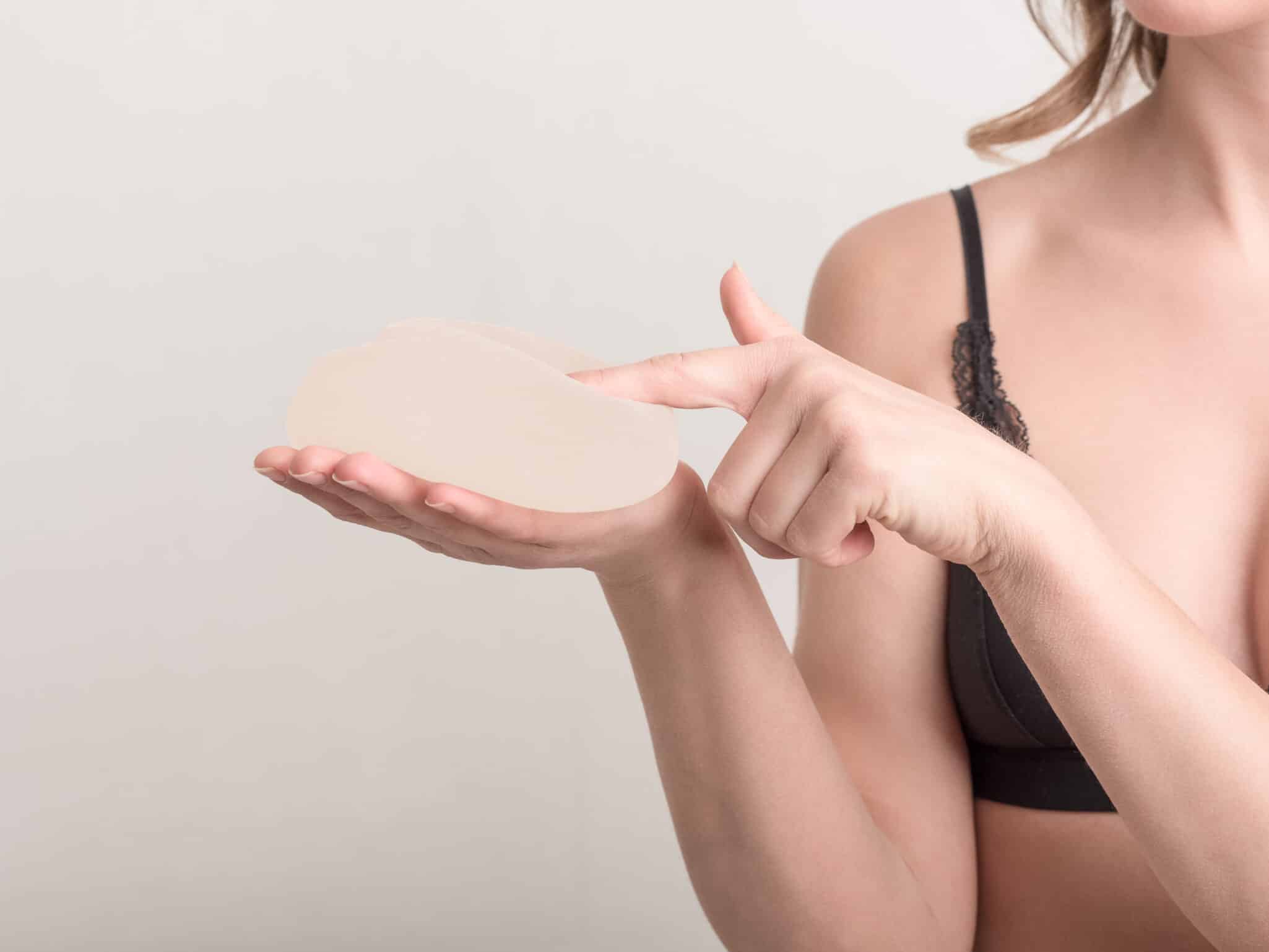
My Silicone Breast Implant Ruptured, What Now?
Unfortunately, breast implants can fail, either saline or silicone. If a saline breast implant fails, this results in deflation of the implant which is quite easy to diagnose most of the time. A rupture of a silicone breast implant can be a more significant diagnostic dilemma. There are often no external signs with an early rupture. This is the so-called “silent rupture”. With time, this could eventually lead to capsular contracture, deformity of the breast and/or silicone migration into the breast tissue.
The rate of silicone breast implant failure is a little less than 1% per year. This is lower than the failure rate of saline implants which could be due to a number of factors including missed “silent ruptures”, intrinsic resistance to failure of silicone implants, or fewer “fold-flaw” ruptures.
Signs of a possible silicone breast implant failure include:
- Change in implant or breast shape
- Hardening of the implant (contracture)
- Deformity around the implant (see your doctor if there are concerning “lumps”)
- Older implants (>20 years)
The most accurate method of diagnosis of a ruptured implant is MRI. The FDA has recommended MRI or ultrasound at 6 years after augmentation and at regular intervals thereafter to diagnose “silent ruptures”. Some patients would rather simply replace implants at regular intervals and this is a reasonable strategy as well.
Signs and Symptoms of Silicone Breast Implant Rupture
Silicone breast implant ruptures can often be subtle and difficult to detect, known as silent ruptures. However, certain signs and symptoms can indicate a rupture. These include changes in breast shape or size, where one breast may appear different from the other. Patients may experience pain or tenderness in the breast area, swelling, and redness. Lumps or firmness within the breast, resulting from the leaked silicone gel, can also be a sign. Capsular contracture, where the scar tissue around the implant hardens, might occur, leading to breast tightness and deformation. Numbness or a tingling sensation in the breast is another possible symptom. Regular MRI screenings are crucial for detecting silent ruptures.
Impact of Lifestyle and Environmental Factors on Implant Activity
The integrity of silicone breast implants can be influenced by lifestyle and physical activities. High-impact sports, vigorous exercise, or trauma can increase the likelihood of an implant rupture. Patients with active lifestyles should discuss their routines with their surgeons to understand any necessary precautions and ensure their implants are monitored regularly.

Environmental factors, such as exposure to extreme temperatures, certain chemicals, and radiation, can potentially affect the longevity and integrity of silicone breast implants. Patients should be informed about these factors and take precautions to minimize exposure, thereby potentially extending the life of their implants.
Preventive Measures and Long-Term Care
To minimize the risk of silicone breast implant rupture and related complications, consider the following:
- Regular Screenings: Follow the FDA guidelines for regular MRI screenings.
- Choose Experienced Surgeons: Opt for a board-certified plastic surgeon like Dr. Yates with extensive experience in breast implant surgery.
- Know Your Implants: Stay informed about the type and age of your implants, as older implants have a higher risk of rupture.
Treatment Options for Ruptured Silicone Implants
If a rupture is detected, various treatment options are available:
- Surgical Removal and Replacement: The primary treatment involves removing the ruptured implant and replacing it with a new one. This can be combined with a capsulectomy, where the surrounding scar tissue is also removed to reduce the risk of future complications.
- Capsular Contracture Treatment: For those experiencing capsular contracture, treatment may include medication, massage techniques, or surgery to remove the scar tissue and replace the implant. Newer techniques, such as acellular dermal matrix, can help in reducing recurrence.
- Monitoring and Observation: In cases where the rupture is silent and not causing symptoms, some patients may opt for regular monitoring instead of immediate surgery. This decision should be made in consultation with a plastic surgeon, considering the patient’s overall health and preferences. Regular follow-ups and imaging tests will be essential for ongoing assessment.
Does Silicone Breast Implant Rupture Cause Illness?
Breast implant illness is controversial and there is conflicting evidence as to whether it actually exists or not. The FDA has looked extensively at the safety of silicone implants. In 2006, the implants were again released for use with breast augmentation.
The “FDA has reviewed an extensive amount of data from clinical trials of women studied for up to four years, as well as a wealth of other information to determine the benefits and risks of these products,” said Daniel Schultz, M.D., Director, Center for Devices and Radiological Health, FDA. “The extensive body of scientific evidence provides reasonable assurance of the benefits and risks of these devices. This information is available in the product labeling and will enable women and their physicians to make informed decisions.”
The conclusion was that the implants were “safe” and that women could decide for themselves. The post-approval studies are currently underway to look at data for a more extended period of time. There was found to be a small association with fibromyalgia with extracapsular silicone rupture (silicone beyond the scar tissue capsule which contains the implant). For more information review my blog about breast implant illness.
Do Ruptured Silicone Implants Need to Be Removed?
YES. Silicone implant rupture generally requires removal and replacement to avoid more significant problems in the future. As opposed to saline implant deflation, silicone implant rupture can be difficult to deal with surgically. When a saline implant deflates, the saline is absorbed by the body. The silicone is not absorbed and can be difficult to remove completely surgically. Oftentimes, the capsule around a ruptured silicone implant becomes hard (capsular contracture) requiring removal of the capsule in addition to the implant. The good news is that the newer generation of silicone implants are more resistant to failure and more cohesive (more solid) decreasing the rates of some of these problems.
Advancements in Silicone Implant Technology
In recent years, advancements in silicone implant technology have aimed to reduce the risks of ruptures and improve overall durability. These advancements include highly cohesive silicone gel implants, often referred to as "gummy bear" implants, which maintain their shape even if the shell is compromised. These newer implants are designed to minimize the risks associated with ruptures and provide a more natural feel.
Breast Implants Strength

Silicone Implant Rupture Demonstration

FAQs
Why Choose Dr. York Yates Plastic Surgery?
Choosing Dr. York Yates Plastic Surgery for silicone breast implant rupture treatment means you will be in the hands of a highly skilled, board-certified plastic surgeon. Dr. Yates specializes in cosmetic plastic surgery of the breast and body. He brings advanced expertise to every procedure.
As a Diplomat of the American Board of Plastic Surgery and a member of both the American Society of Plastic Surgeons and the American Society of Aesthetic Plastic Surgeons, Dr. Yates is dedicated to providing meticulous care. He and his staff work hard to ensure optimal outcomes and help patients feel confident in their results.
Schedule a Consultation Today
At Dr. York Yates Plastic Surgery in Layton, UT, your well-being and satisfaction are our top priorities. If you suspect a silicone breast implant rupture or are experiencing any changes in the look or feel of your implants, it’s essential to seek expert advice.
Dr. Yates and our dedicated staff offer personalized solutions to address ruptures. Schedule a consultation today to learn more about your options. Call us at 385.526.5988 or contact our office through our website.